Chain Conveyors
En-masse and drag chain conveyors for heavy-duty horizontal and inclined transport of abrasive, hot, and high-density materials up to 1000°C service temperature.
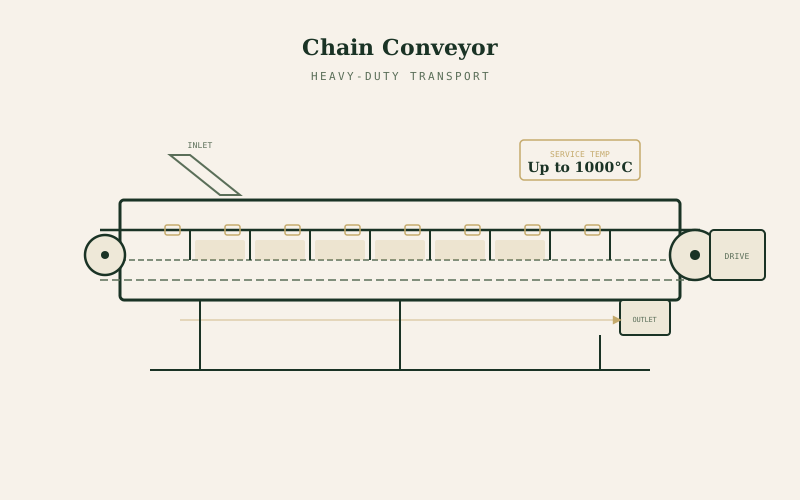
Chain Conveyors
Heavy-duty horizontal and inclined transport for materials that are too hot, too abrasive, or too heavy for belt conveyors. Chain-and-flight mechanism pushes material through an enclosed trough — handles temperatures up to 1000°C.
En-Masse — Material fills the trough cross-section and moves as a column pushed by submerged flights. Gentle handling despite the heavy-duty mechanism — particles support each other, minimizing degradation. Lower power consumption per tonne than drag chain designs.
Drag Chain — Single or double-strand chains with attached flights drag material along the trough bottom. Higher capacity for coarse, heavy materials. Simpler construction, easier to maintain in harsh environments.
Chain & Flight Selection
Chain specification drives conveyor reliability and cost:
- Forged link chain for moderate duty and temperatures up to 400°C
- Drop-forged rivetless chain for heavy-duty mineral processing — easy field repair by removing individual links
- Roller chain for high-speed, lower-load applications
Flights are sized to match trough cross-section and material bulk density. AR400 plate flights for abrasive minerals, cast alloy flights for temperatures above 600°C.
Trough Design
Enclosed trough construction eliminates dust emission and material spillage. Trough liners (AR plate or ceramic tile) protect the base from wear — replaceable without removing the chain assembly.
Trough sections are flanged and bolted for field assembly and maintenance access. Inspection doors at regular intervals allow chain and flight condition monitoring without disassembly.
Drive & Tensioning
Shaft-mounted gearboxes with torque arms are standard. Chain tensioning via screw-type takeup at the tail end maintains proper chain catenary. Shear pin or fluid coupling protection prevents chain damage on overload or jamming.
Commissioning
- Trough alignment and levelness verification
- Chain tension adjustment and flight clearance check
- Drive alignment and overload protection testing
- No-load run followed by graduated loading test
- Temperature monitoring on bearings and chain pins during initial operation