Screw Conveyors
Horizontal and inclined screw conveyors for metering, feeding, and transporting powders and granular materials. U-trough and tubular designs with variable pitch options.
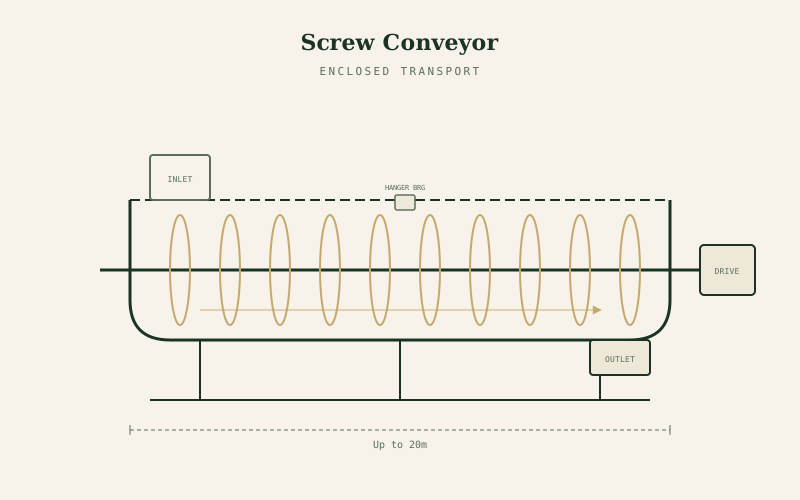
Screw Conveyors
Enclosed material transport for powders, granules, and small-lump materials. The rotating helical flight moves material along a U-trough or tubular housing — dust-tight, compact, and self-metering.
U-Trough — Open-top trough with removable cover. Easy access for cleaning and inspection. Standard for horizontal and low-incline applications where maintenance access matters.
Tubular — Fully enclosed pipe design. Required for inclined transport above 20°, dusty materials, or applications demanding zero spillage. Centerless screw designs prevent material packing at the shaft.
Flight Design
Flight configuration determines conveying behaviour:
- Standard pitch (1x diameter) for general horizontal transport
- Short pitch (2/3 diameter) for inclined conveyors — prevents material rollback
- Variable pitch at inlet zones for uniform feeding from hoppers
- Cut flights for mixing action during transport
- Ribbon flights for sticky or fibrous materials that would wrap a solid flight
Flight thickness and edge hardening are specified based on material abrasiveness — critical for mineral processing where flight wear directly limits conveyor life.
Bearing & Seal Design
Intermediate hanger bearings support the screw shaft at 3–4m intervals. Self-aligning bearings with replaceable bushings accommodate thermal expansion and shaft deflection.
End seals prevent material leakage and dust emission. Packed gland seals for dry materials, mechanical seals for wet or pressurized applications.
Commissioning
- Trough alignment verification (sag between supports causes binding)
- Drive motor and gearbox alignment
- No-load rotation check for flight-to-trough clearance
- Graduated loading test to rated capacity
- Bearing temperature monitoring during initial operation